
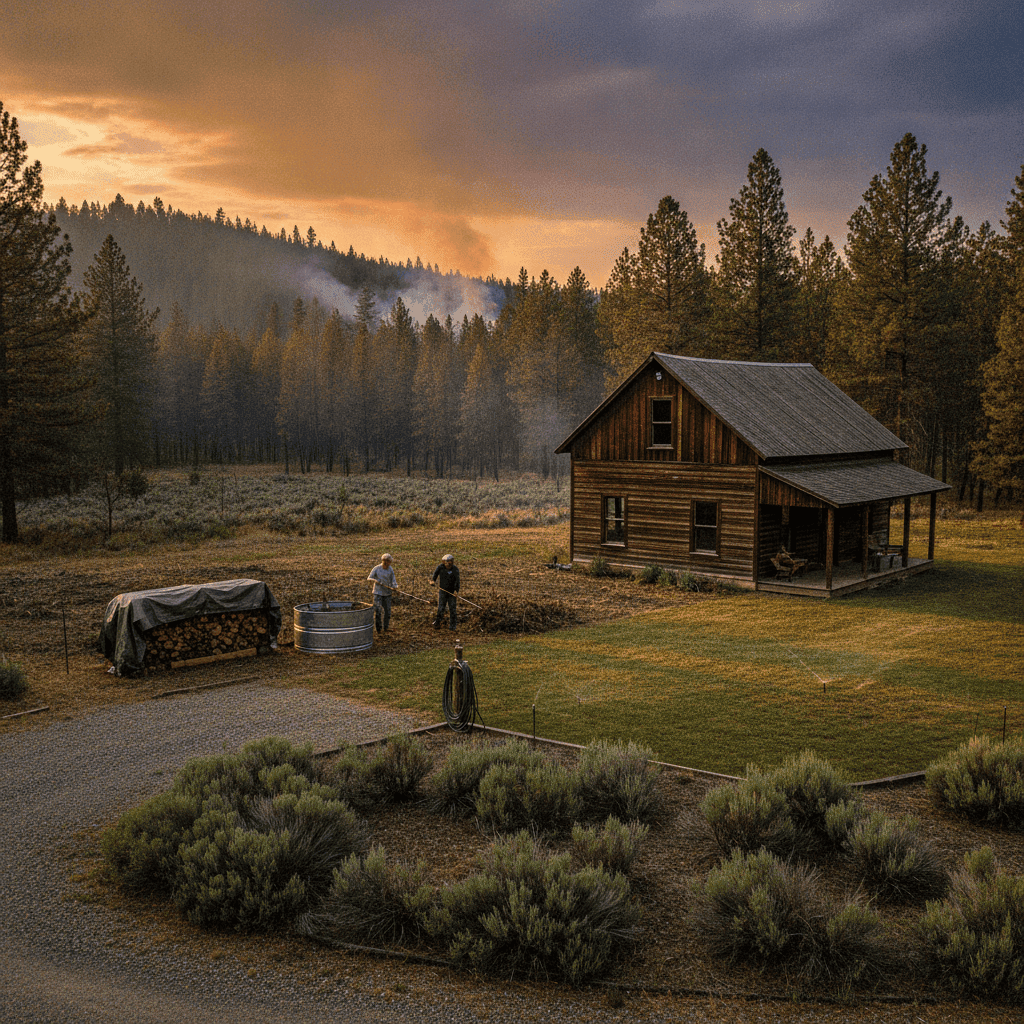
Living in a rural setting offers peace and beauty but it also brings unique challenges. One of the most serious threats we face in these areas is the increasing risk of wildfires. These fires can spread with incredible speed destroying homes landscapes and livelihoods in their path. It is not enough to hope a wildfire will not reach your property.
Proactive preparation and understanding are key to safeguarding your home and family. I have seen firsthand the devastation these fires cause so I understand the importance of being ready. We must take steps now to prevent wildfires from destroying your rural property and to ensure your safety when a fire does strike.
Understanding the Wildfire Threat to Rural Homes
Rural properties often sit at the wildland-urban interface or WUI. This means they are located where homes and other human developments meet or intermingle with undeveloped wildland vegetation. This close proximity makes rural homes highly vulnerable to wildfires.
Fires in wildland areas can quickly become conflagrations, fueled by dry vegetation like grasses shrubs and trees. When these fires reach the WUI they can easily jump from wildland fuels to homes and structures. We see embers traveling long distances before igniting new fires far from the main flame front. This ember cast is a major reason why houses burn even when not directly in the path of the fire.
Many factors increase this risk. Prolonged droughts create extremely dry conditions making vegetation highly combustible. High winds can carry embers and spread flames rapidly. Poorly maintained property with dense or dead vegetation acts as a highway for fire to reach your home. Understanding these elements helps us build effective defenses. We need to think about fuel load structure vulnerability and emergency access.
Creating a Defensible Space Around Your Property
A defensible space is the area around your home and other structures that has been modified to reduce fire hazard. This space helps to slow or stop the spread of wildfire. It also gives firefighters a safer area to work when protecting your property. I cannot stress enough how vital this concept is for rural homeowners. It is the single most effective action you can take to protect your home. For more detailed information on safeguarding your property, you can get the insights we provide.
Zone 1: The Immediate Area 0-5 Feet
This zone is the most critical area immediately around your home. Within this 5-foot perimeter we need to keep it absolutely free of anything that can burn. This includes firewood piles propane tanks and any combustible materials. Even small decorative items if they are flammable should be removed or made fire-resistant.
The goal here is to prevent embers from igniting materials that are directly next to or under your home. I recommend using hardscaping materials like concrete gravel or non-combustible pavers. Keep plants in this zone very low growing well-irrigated and free of dead material. We want to starve any embers of fuel in this critical area.
Zone 2: The Intermediate Area 5-30 Feet
Beyond the immediate zone we focus on reducing the amount of fuel and breaking up continuous vegetation. This means thinning out trees and shrubs. We want to ensure there is adequate spacing between them. Removing dead branches from trees up to at least 6 to 10 feet from the ground is crucial. This helps prevent ground fires from climbing into tree canopies.
We should also remove dead plant material and leaves. Keep grasses mowed short and prune shrubs regularly. I advise selecting fire-resistant plants in this zone. These plants typically have high moisture content and do not ignite easily. This intermediate zone acts as a buffer slowing the fire’s advance.
Zone 3: The Extended Area 30-100+ Feet
The extended zone reaches further out creating a larger buffer against approaching wildfires. In this area we aim to reduce the intensity of a wildfire. We can achieve this by thinning out dense clusters of trees and removing smaller undergrowth. This creates a less continuous fuel path for the fire.
It is not about clear-cutting but about strategic thinning. We should remove highly flammable trees and shrubs while maintaining larger healthier ones. This helps to create a landscape that fire will move through with less intensity. We also consider natural features like rock outcroppings or driveways as potential fire breaks. Regularly cleaning up fallen leaves needles and small branches in this zone is also very important.
Hardening Your Home Against Embers and Flames
Creating a defensible space outside is essential but we also need to address the vulnerabilities of the home itself. Embers are often the biggest threat to homes in a wildfire. They can travel far and exploit weak points in your home’s exterior to ignite it from the inside out. We call this process home hardening. It means making structural changes to your house to resist ignition.
The roof is one of the first places embers land. I advise using fire-resistant roofing materials like asphalt composition shingles metal or clay tile. We should check and clean gutters regularly removing all leaves and debris. These can easily ignite from flying embers. Enclosing eaves and soffits with non-combustible materials also helps protect these vulnerable areas.
Vents are another common entry point for embers. We need to install fine mesh screens no larger than 1/8 inch over all attic foundation and other exterior vents. This prevents embers from entering while still allowing air circulation. Windows can break from intense heat so we consider multi-paned or tempered glass. Siding should be fire-resistant materials like stucco fiber cement or treated wood. These small changes make a big difference in a wildfire event.
Managing Vegetation and Fuels Annually
Defensible space is not a one-time project. It requires ongoing vigilance and regular maintenance. We must think of it as an annual chore much like gardening or house repairs. The natural environment is always changing and so our efforts to prevent wildfires must be continuous. Dry seasons especially demand extra attention.
I perform a thorough inspection of my property every spring. This helps me identify new growth areas where leaves and debris have accumulated or where plants have dried out. Mowing grasses to a height of 4 inches or less during fire season is a key step. We also prune shrubs to keep them from growing too dense or too close to structures. Removing dead and dying vegetation throughout the year helps reduce the overall fuel load. This consistent effort ensures our defensible space remains effective.
Proper disposal of cleared materials is equally important. We should not leave piles of branches or clippings near our homes because they become new fuel sources. Chipping woody debris or hauling it away to a designated green waste facility are good options. Burning debris is sometimes allowed but only under very strict conditions and permits. Always check local regulations before any open burning. We must remember that every little bit of maintenance contributes to the larger goal of wildfire prevention.
Water Supply and Access for Fire Suppression
Effective wildfire defense also depends on reliable water sources and clear access for emergency vehicles. In rural areas fire hydrants are often scarce or nonexistent. This makes independent water provisions critical. I always recommend having multiple water sources if possible. This could include a well a large water storage tank or even a natural pond on your property.
Ensure these water sources are accessible for fire personnel. Having clear pathways or driveways to these sources is vital. We should also consider fitting them with standard hose connections that fire departments can use. A backup power source for well pumps is a wise investment so you can still access water if electricity is lost during a fire.
Emergency access means maintaining clear driveways and roads. These need to be wide enough for fire trucks and free of overhanging branches or dense vegetation. Clearly marked address signs are also essential especially in rural areas where homes can be spread out. These measures allow firefighters to find your property quickly and efficiently when every second counts.
Developing an Emergency Wildfire Action Plan
Even with the best prevention measures a wildfire can still threaten your property. That is why having a detailed emergency action plan is non-negotiable for rural residents. This plan should cover everything from what to do when a fire approaches to how your family will evacuate and where you will meet. I consider this as important as any physical property modification.
Our plan includes designated evacuation routes and at least two ways out of your neighborhood or property. We also identify a safe meeting place outside the fire danger zone. Prepare an emergency kit with essential documents medications water food and first aid supplies. This grab-and-go kit should be easily accessible. Practice your evacuation plan regularly so everyone in the family knows what to do without hesitation. We need to communicate these steps clearly to all household members and practice them.
Staying informed during a fire threat is also crucial. Monitor local news weather alerts and emergency broadcasts. Sign up for community alert systems to receive immediate notifications. Knowing when to evacuate and where to go can save lives. A well-rehearsed plan reduces panic and ensures a smoother safer response during a crisis.
Final Thoughts on Protecting Your Rural Property
Protecting your rural property from the devastating effects of wildfires is a shared responsibility. It requires consistent effort and a clear understanding of the risks involved. We have covered the importance of creating a defensible space around your home from the immediate 0-5 foot zone to the extended 100+ foot buffer. We also discussed home hardening strategies to make your structures more resilient to embers and flames. Remember that annual vegetation management is critical because the landscape changes every year.
Ensuring you have reliable water sources and clear access for emergency responders is another layer of protection that cannot be overlooked. Finally developing and practicing a family emergency action plan will ensure that you and your loved ones are prepared to act quickly and safely if a wildfire threatens. I encourage every rural homeowner to take these steps seriously. Your diligence today can prevent unimaginable loss tomorrow. Let us all work together to create safer communities and protect our cherished rural homes from wildfire destruction.
